

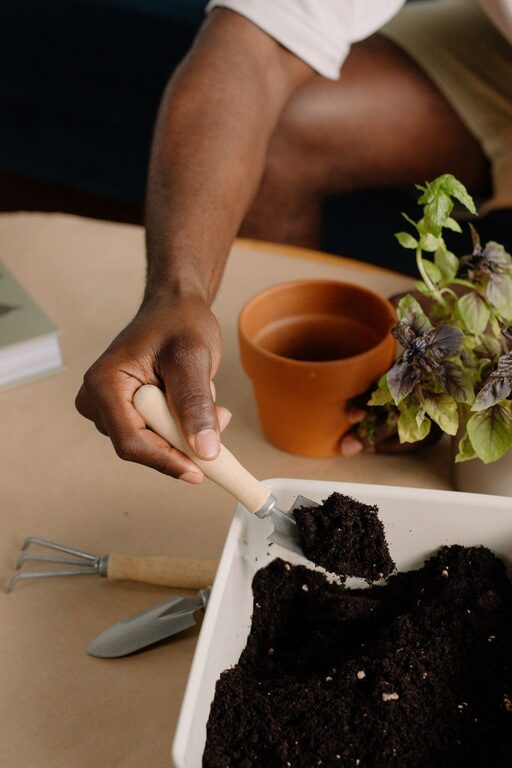
Starting a small herb garden indoors is a rewarding and practical way to bring fresh flavors to your meals and a touch of green to your home. Whether you have limited outdoor space or want to enjoy herbs year-round, growing herbs inside is easier than you might think. This guide will walk you through everything you need to know—from choosing the right herbs to care tips and creative container ideas.
Why Grow Herbs Indoors?
Indoor herb gardening has many benefits. Fresh herbs are right at your fingertips, which can inspire cooking with natural, aromatic ingredients. Growing your own herbs also means you avoid store-bought plastic packaging and potentially fresher produce. Plus, plants can improve indoor air quality and add beauty to small spaces.
Choosing the Right Herbs for Indoor Growth
Not all herbs thrive indoors, so it’s important to pick varieties suited for indoor growing conditions:
– Basil: Love warm temperatures and lots of sunlight.
– Parsley: Tolerates moderate light and is quite hardy.
– Mint: Grows well but can spread aggressively, making a pot ideal.
– Chives: Easy to grow, needing moderate sun.
– Thyme: Prefers less moisture and bright light.
– Cilantro: Does well indoors but prefers cooler temperatures.
Consider what you use most in cooking and start with 2 to 3 herbs to keep things manageable.
Selecting Containers and Soil
Containers
Choose containers with proper drainage to avoid root rot. Options include:
– Terra cotta pots (breathable and traditional)
– Ceramic pots with drainage holes
– Recycled containers (just ensure drainage)
Avoid containers without drainage holes unless you create them yourself.
Soil
Use a light, well-draining potting mix designed for indoor plants. Avoid heavy garden soil, which can retain too much moisture.
Finding the Perfect Spot Indoors
Herbs generally need 6 to 8 hours of sunlight daily. Look for:
– South-facing windows that get direct sun
– East or west-facing windows with morning or afternoon light
– If natural light is limited, consider supplementing with grow lights (LED full-spectrum bulbs work best).
Planting Your Herb Garden
Starting from Seeds
– Fill containers with potting mix.
– Sow seeds according to packet instructions (depth and spacing).
– Lightly water after planting.
– Keep soil moist but not soggy.
– Seedlings usually emerge in 1-3 weeks.
Transplanting Seedlings or Starter Plants
– Gently loosen seedling roots before planting.
– Plant at the same depth they were in their original pots.
– Water lightly to settle soil.
Watering Tips for Indoor Herbs
– Check soil moisture regularly by touching the top inch.
– Water when the soil feels dry, but avoid overwatering.
– Use room temperature water.
– Avoid letting pots sit in standing water.
Feeding and Maintenance
– Use a balanced liquid fertilizer every 4-6 weeks during the growing season.
– Trim herbs regularly to encourage bushy growth.
– Pinch off flowers to redirect energy to leaf production, unless you want seeds.
Dealing with Common Issues
– Yellow Leaves: Often a sign of overwatering or poor drainage.
– Leggy Growth: Indicates not enough light; move to a sunnier spot or add grow lights.
– Pests: Use natural remedies like neem oil or insecticidal soap.
Creative Ideas for Indoor Herb Gardens
– Windowsill Garden: Line up small pots for maximum sun exposure.
– Hanging Planters: Save counter space with hanging containers.
– Herb Garden Box: Use a wooden box with compartments for multiple herbs.
– Vertical Gardens: Wall-mounted planters can add greenery and save space.
Harvesting Your Herbs
– Harvest herbs by snipping stems with scissors.
– Pick from the top to encourage new growth.
– Try to harvest in the morning when essential oils are most concentrated.
– Use fresh or dry herbs for later use.
Final Thoughts
Starting a small herb garden indoors is simple with the right preparation. Choose suitable herbs, provide adequate light and water, and enjoy the satisfaction of fresh, homegrown herbs at your fingertips. With a little care, your indoor herb garden can flourish and add beauty and flavor to your home all year long.
Happy gardening!